
Get Mortar Joint Sealing in Baltimore, MD
Property owners in Baltimore, MD can find local contractors who specialize in sealing mortar joints to prevent cracks, water intrusion, and structural damage in brick and masonry projects.
Mortar joint sealing is an important step in maintaining the integrity and appearance of brick and masonry structures. Property owners in Baltimore, MD, often consider this work to prevent water infiltration, reduce damage caused by freeze-thaw cycles, and improve the overall durability of their buildings. Whether for residential, commercial, or historical properties, properly sealed mortar joints can help protect investments and extend the lifespan of masonry features. Exploring local service providers can ensure that the project is handled with expertise tailored to the specific needs of properties in the Baltimore area.
For those planning masonry maintenance or renovation projects, comparing options among experienced local contractors can provide valuable insights. Many property owners choose to work with professionals who understand the unique climate and construction styles common in Baltimore, ensuring that the sealing work is effective and long-lasting. Continuing to read can help identify qualified service providers capable of addressing mortar joint sealing needs and supporting property preservation efforts in the community.
- Commercial buildings - when mortar joints show signs of deterioration in office complexes or retail centers.
- Residential homes - when homeowners notice gaps or cracks in the mortar between bricks or stones.
- Historical restorations - during preservation projects requiring careful sealing of aged or fragile mortar joints.
- New construction - after installing brick or stone exteriors that need sealing to prevent future damage.
- Masonry repairs - when existing mortar joints need resealing to enhance durability and prevent water infiltration.
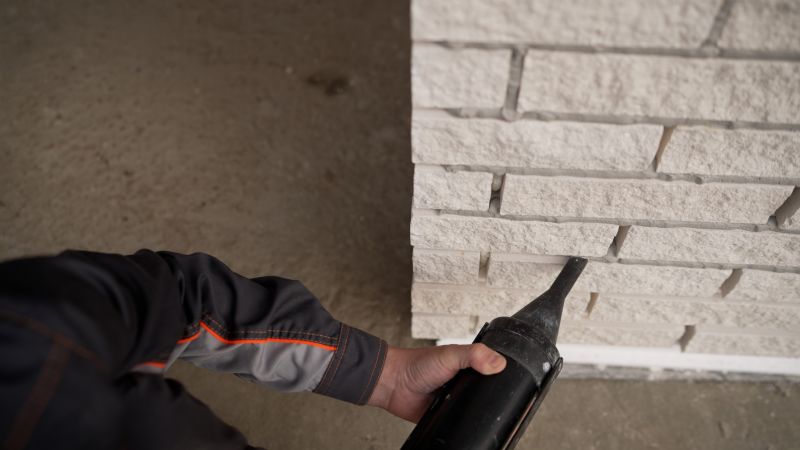
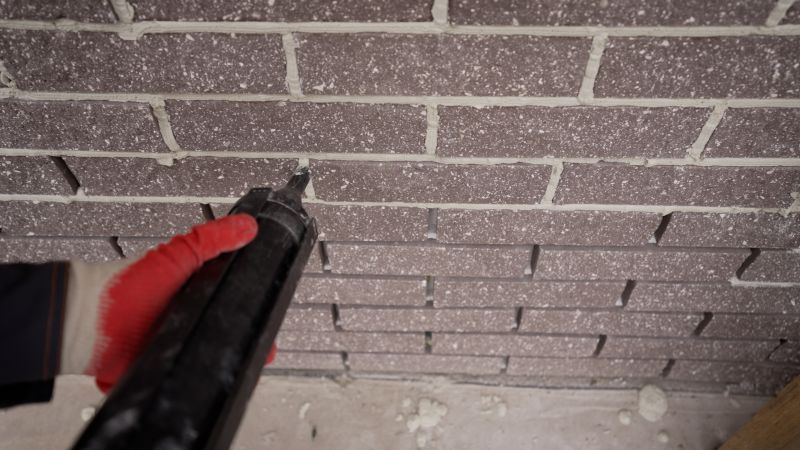
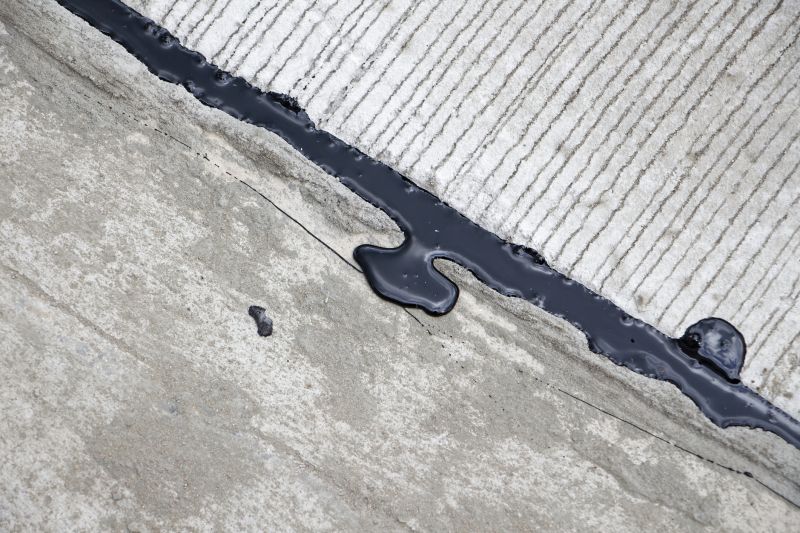
Mortar joint sealing is a service that involves applying specialized sealants to the mortar lines between bricks or stones on a building’s exterior. This process helps create a protective barrier that prevents water from seeping into the joints, reducing the risk of damage caused by moisture infiltration. Properly sealed mortar joints can also improve the overall appearance of a property, providing a cleaner, more uniform look. Local contractors who specialize in mortar joint sealing have the tools and experience to ensure that the sealant is applied evenly and effectively, helping to maintain the integrity of the masonry over time.
One of the primary problems that mortar joint sealing addresses is water penetration. When mortar joints crack or deteriorate, they can allow rainwater or melting snow to seep into the walls. Over time, this moisture can cause mortar to crumble further, lead to mold growth, or even weaken the structural stability of the building. Sealing these joints helps mitigate these issues by blocking water entry points, which is especially important in areas like Baltimore, MD, where seasonal weather can be harsh. It’s a practical step to protect a property’s exterior from the damaging effects of moisture and freeze-thaw cycles.
Mortar joint sealing is commonly used on a variety of property types, including residential homes, historic buildings, and commercial structures. Homes with brick or stone facades often benefit from this service, particularly if they show signs of aging or minor cracks. Older properties that seek to preserve their aesthetic appeal and structural soundness frequently rely on mortar sealing to maintain their integrity. Additionally, commercial buildings with masonry exteriors may require regular joint sealing to ensure their facades remain weather-resistant and visually appealing, especially in climates where exposure to the elements is frequent.
Homeowners and property managers who notice cracked, crumbling, or deteriorated mortar joints should consider mortar joint sealing as a preventative measure. This service is also valuable if there are signs of water stains, efflorescence, or mold growth on interior or exterior walls. By addressing these issues early, property owners can avoid more costly repairs down the line. Local service providers who specialize in mortar joint sealing can assess the condition of masonry joints, recommend appropriate sealing solutions, and help preserve the durability and appearance of a property’s exterior for years to come.
The overview below groups typical Mortar Joint Sealing projects into broad ranges so you can see how smaller, mid-sized, and larger jobs often compare in Baltimore, MD.
In many markets, a large share of routine jobs stays in the lower and middle ranges, while only a smaller percentage of projects moves into the highest bands when the work is more complex or site conditions are harder than average.
Smaller Repairs - Basic mortar joint sealing for minor cracks or gaps typically costs between $250 and $600 for many smaller jobs. These projects are common for routine maintenance or small sections of a building. Local pros generally complete these repairs efficiently within this range.
Moderate Projects - Larger, more involved sealing work on multiple joints or sections usually falls in the $600-$1,500 range. Many projects of this scope are common for residential or small commercial properties. Costs can vary based on the size and complexity of the area.
Extensive Work - Extensive sealing, such as on entire facades or large structures, can range from $1,500 to $3,500. These projects are less frequent but often involve detailed preparation and application by local contractors. Larger, more complex jobs may push beyond this range.
Full Replacement - Complete mortar joint replacement, which involves removing and reapplying mortar across entire sections, can cost $3,500 and up. Such projects are less common and tend to be higher in cost due to labor and material requirements, with some larger projects exceeding $5,000.
Actual totals will depend on details like access to the work area, the scope of the project, and the materials selected, so use these as general starting points rather than exact figures.
Brick Repair and Restoration - local contractors skilled in brickwork often handle sealing joints to prevent water infiltration and structural damage.
Concrete Crack Sealing - sealing cracks in concrete surfaces requires similar planning and tools as mortar joint sealing to ensure durability and weather resistance.
Masonry Pointing Services - professionals performing masonry pointing have expertise in joint preparation and sealing techniques applicable to mortar joints.
Foundation Wall Waterproofing - waterproofing foundation walls involves sealing exterior or interior joints, paralleling the skills used in mortar joint sealing.
Chimney Restoration - restoring and sealing chimney joints requires careful planning and sealing skills similar to those used in mortar joint maintenance.
Stone Veneer Installation - installing and sealing stone veneer involves joint sealing techniques that protect against moisture and enhance longevity.
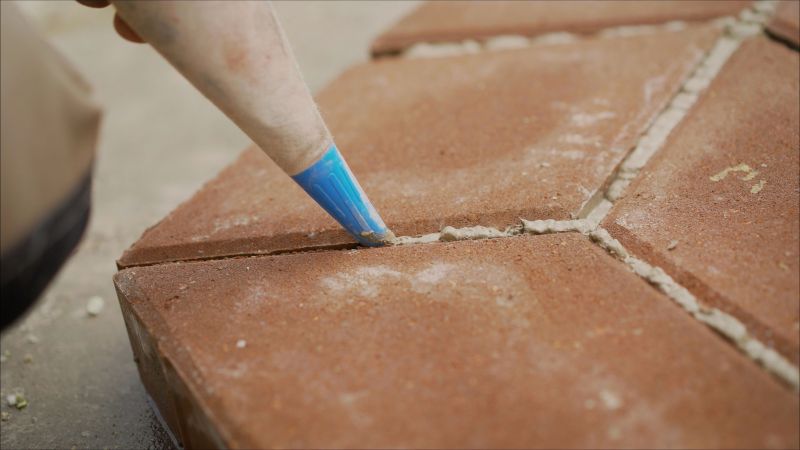
When evaluating contractors for mortar joint sealing, it’s important to consider their experience with similar projects. Homeowners should look for service providers who have a track record of working on masonry and brickwork in environments comparable to Baltimore, MD. An experienced contractor will understand the unique challenges posed by local weather conditions and building styles, which can influence the durability and effectiveness of the sealing work. Asking about past projects or requesting examples of completed jobs can help gauge whether a contractor has the necessary background to handle the specific needs of the home.
Clear, written expectations are essential to ensure that both the homeowner and the service provider are aligned on the scope of work. A reputable local contractor should be willing to provide detailed descriptions of the services offered, including what is included and what may require additional attention. This clarity helps prevent misunderstandings and ensures that the homeowner understands what to expect from the project. Having these expectations documented can also serve as a reference point throughout the work process, fostering transparency and accountability.
Reputable references and effective communication are key indicators of a reliable service provider. Homeowners should seek out local contractors who can provide references from previous clients, especially those with similar projects in the Baltimore area. Good communication involves timely responses, clear explanations, and a willingness to answer questions or address concerns. This level of engagement helps build trust and confidence that the contractor will be attentive to the homeowner’s needs and committed to delivering quality results. Remember, these local professionals are there to handle the work, but choosing the right one depends on careful comparison based on experience, expectations, and communication.
Property owners in Baltimore, MD use Mortar Joint Sealing services for practical projects around their homes and businesses. This guide focuses on everyday jobs and straightforward project options.
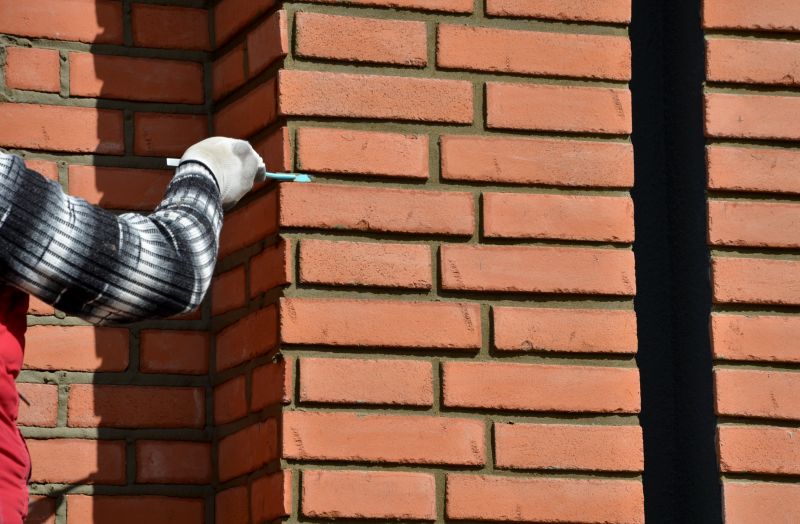
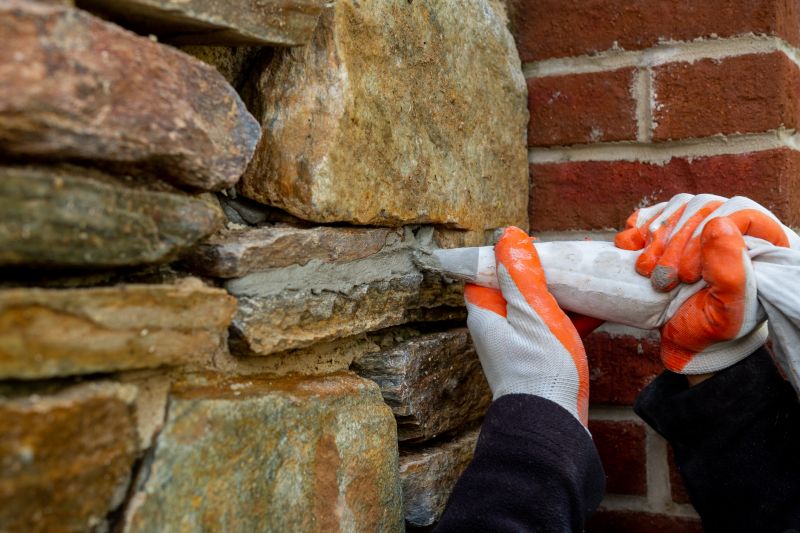
Mortar joint sealing is a common maintenance task for property owners in Baltimore, MD who want to protect their buildings from water intrusion and prevent damage caused by weathering. Over time, mortar joints can develop cracks or gaps due to temperature fluctuations and age, which may lead to water seeping into walls or foundation issues. Local contractors specializing in mortar joint sealing can help address these problems, ensuring that brick and masonry structures remain durable and visually appealing in the face of Baltimore’s varying climate conditions.
Homeowners and property managers often seek mortar joint sealing services when preparing for seasonal changes or noticing signs of deterioration around their buildings. Whether it’s preventing moisture from entering basement walls or maintaining the integrity of historic brick facades, local service providers can handle these straightforward repairs efficiently. Contacting experienced contractors in the Baltimore area can help property owners preserve their buildings’ structural stability and curb appeal with simple, effective sealing solutions.
What is mortar joint sealing? Mortar joint sealing involves applying a protective material to the mortar lines between bricks or stones to prevent water infiltration and reduce damage caused by weathering.
Why is sealing mortar joints important? Sealing mortar joints helps maintain the structural integrity of masonry, prevents water leaks, and reduces the risk of mold and deterioration over time.
How do local contractors perform mortar joint sealing? Contractors typically clean the joints, remove any damaged mortar, and then apply a specialized sealant to ensure a durable, weather-resistant barrier.
Can mortar joint sealing improve the appearance of a building? Yes, sealing can enhance the look of masonry by preventing staining and mortar deterioration, helping the structure maintain its aesthetic appeal.
What types of sealants are used for mortar joint sealing? Common sealants include flexible mortar caulks and waterproof sealants designed specifically for masonry joints to accommodate movement and weather exposure.
Prevent water damage by sealing mortar joints around windows and doors to keep moisture out during heavy rain.
Improve curb appeal by ensuring mortar joints are sealed and looking fresh on the exterior of the home.
Maintain structural integrity by addressing cracked or deteriorating mortar joints before they worsen.
Prepare for seasonal changes by having mortar joints sealed to help withstand temperature fluctuations and freeze-thaw cycles.
If you are thinking about Mortar Joint Sealing for a property in Baltimore, MD, this guide is meant to help you understand the work, the typical project types, and how different options might fit your plans.
When you are ready, you can use the quote form on this page to share a few details about your project. From there, local pros can review the basics and respond with options that match what you have in mind.